

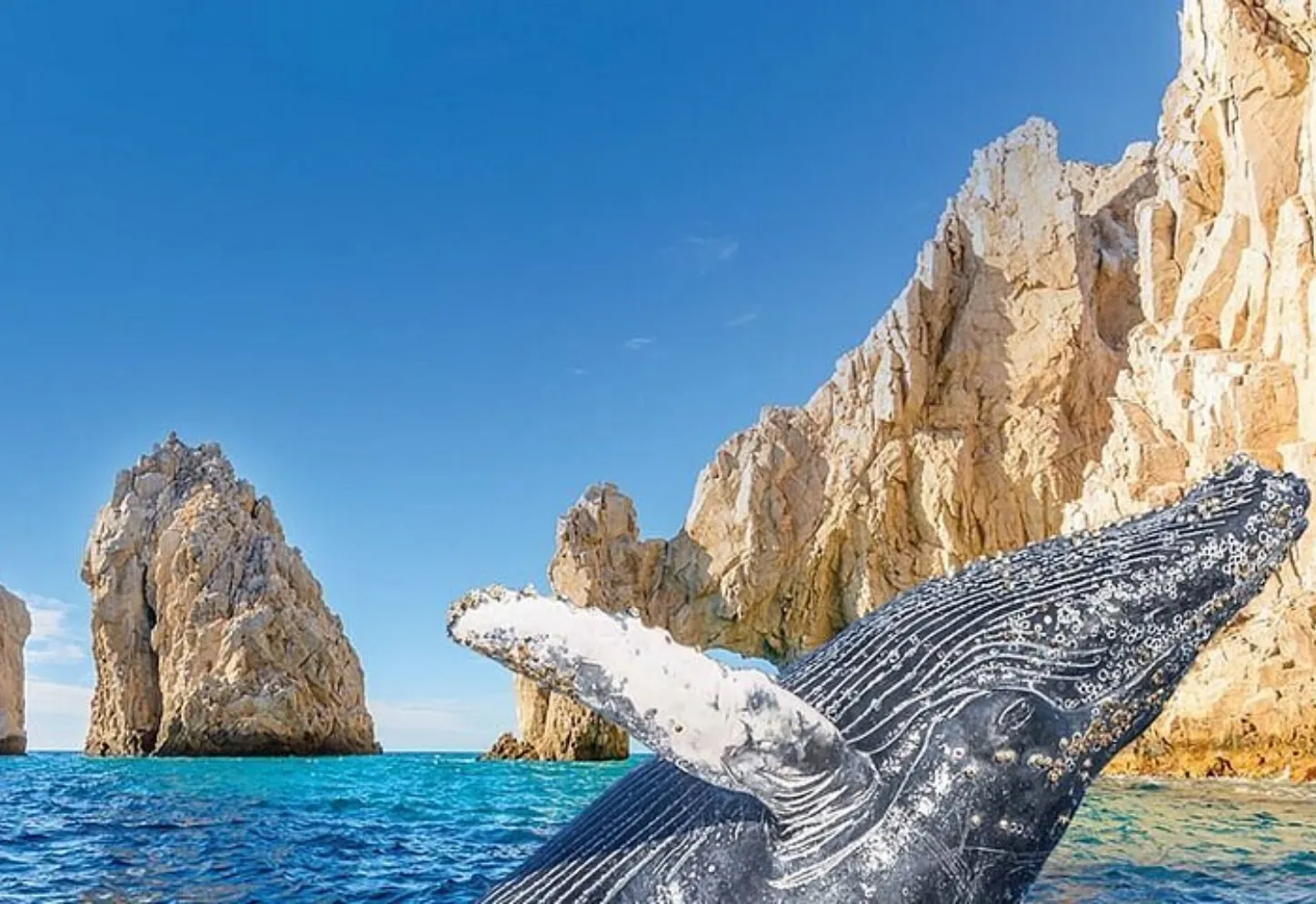
Whale Watching Season in Cabo: What You Should Know
Introduction
Every winter, the coastline of Baja California Sur transforms into one of the most spectacular marine wildlife destinations in the world. The Watching Season in Cabo attracts thousands of visitors eager to witness migrating whales in their natural habitat. From dramatic breaches to gentle tail waves, this seasonal event is one of the most unforgettable experiences Cabo San Lucas offers.
If you are planning a trip during whale season, here is everything you should know before heading out on the water.
When Is Whale Watching Season in Cabo?
The official Watching Season in Cabo runs from mid-December through mid-April, with peak activity typically occurring between January and March.
During these months:
Humpback whales migrate from colder northern waters
Gray whales travel from Alaska to Baja lagoons
Whale sightings are frequent and often close to shore
Early morning tours generally offer calmer ocean conditions and clearer visibility.
What Types of Whales Can You See?
The waters surrounding Cabo are part of the migration route for several whale species.
Humpback Whales
Most commonly seen near Cabo San Lucas
Known for breaching and tail slapping
Frequently spotted near Land’s End
Gray Whales
Typically seen farther north in Baja lagoons
Occasionally visible offshore in Cabo
Known for their long migration routes
Other marine life during the Watching Season in Cabo may include dolphins, sea lions, and even orcas, though orca sightings are rare.
Why Cabo Is a Prime Whale Watching Location
Cabo’s geography makes it one of the best whale watching destinations in Mexico.
Key advantages include:
Deep ocean waters close to shore
Clear visibility in the Sea of Cortez
Protected migration corridors
Easy boat access from the marina
Unlike many destinations, whales in Cabo are often visible just minutes after departure.
What to Expect on a Whale Watching Tour
Most tours last between 1.5 and 2.5 hours and are led by certified captains and marine guides.
Typical tour features:
Safety briefing before departure
Educational commentary about whale behavior
Slow, respectful approach distances
Photo opportunities
Mexican regulations require boats to maintain a safe distance from whales, ensuring minimal disturbance.
Tips for the Best Experience
To make the most of the Watching Season in Cabo, preparation is important.
Practical tips include:
Book tours in advance during peak months
Wear light layers (mornings can be cool)
Bring sunscreen and sunglasses
Use a camera with zoom capability
Take motion sickness precautions if needed
Morning departures typically provide smoother seas and better viewing conditions.
Is Whale Watching Safe and Responsible?
Yes. Whale watching in Cabo is regulated by Mexican environmental authorities to protect marine life.
Responsible practices include:
Licensed tour operators only
Strict distance rules
Limited time spent near whales
Prohibition of touching or feeding wildlife
These regulations ensure that the Watching Season in Cabo remains sustainable for future generations.
Weather and Ocean Conditions During the Season
Winter in Cabo offers ideal whale watching weather.
Average daytime temperatures: 70–80°F (21–27°C)
Low humidity
Mild ocean swells compared to summer months
Clear skies for optimal visibility
Calmer winter conditions contribute to excellent viewing opportunities.
Why Whale Watching Is One of Cabo’s Top Experiences
Whale watching is more than just a sightseeing activity. It is a rare opportunity to observe one of nature’s most impressive migrations.
During the Watching Season in Cabo, visitors often describe:
Emotional connections with wildlife
Awe at the size and power of humpbacks
A deeper appreciation for marine conservation
Unforgettable photo and video moments
It is one of the few experiences that consistently exceeds expectations.
Conclusion
The Watching Season in Cabo is one of the most extraordinary times of the year to visit. With migrating humpback and gray whales passing along the coastline, Cabo becomes a front-row seat to one of nature’s greatest journeys.
By planning ahead, choosing responsible tour operators, and understanding the seasonal timing, you can experience whale watching in a way that is both unforgettable and respectful of the marine environment.
For many travelers, it becomes the highlight of their entire trip.